
It is no coincidence that a International Puzzle Day is celebrated It emphasises the cultural and social importance of leisure which calls for slowing down, focusing and reconnecting with sustained attention.
But why is this sometimes discreet hobby so important in the modern world?
The Puzzle of a Fast-paced World
Our daily lives are rhythmed by:
- constant notifications
- Short and successive content
- multiple requests
In this context, the puzzle imposes a different tempo, voluntarily slowing down the rhythm, forcing you to lie down, observe and reflect.
Putting together a puzzle is accepting that progress is Slowly, gradually and not immediately ⁇ a rare approach in many areas of modern life, which explains in part the why some puzzles create emotional attachment.
A Rare Exercise of Concentration
The puzzle mobilizes deep, continuous and lasting concentration.
Unlike other leisure activities, it does not tolerate permanent distraction.
- a careful observation
- a visual analysis
- a space memory
This prolonged solicitation of attention explains why many practitioners describe the puzzle as an activity calmingI’m not sure what I’m thinking.
The puzzle as a disconnection tool
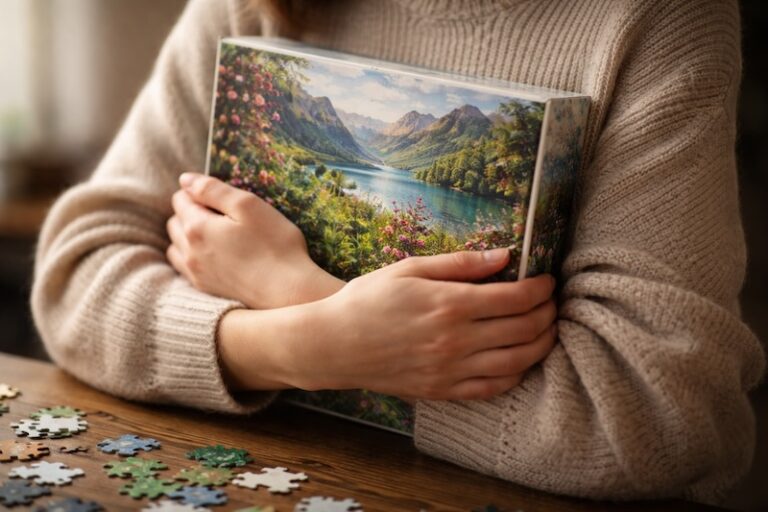
In a world dominated by screens, the puzzle offers a form of active disconnection.
This is not a passive break, but an engaging activity that:
- Keep away from screens
- Focus on the
- create a peaceful mental space
This ability to unleash the puzzle without boredom is a major contributor to the resurgence of interest in the puzzle among adults.
A creative and visual activity
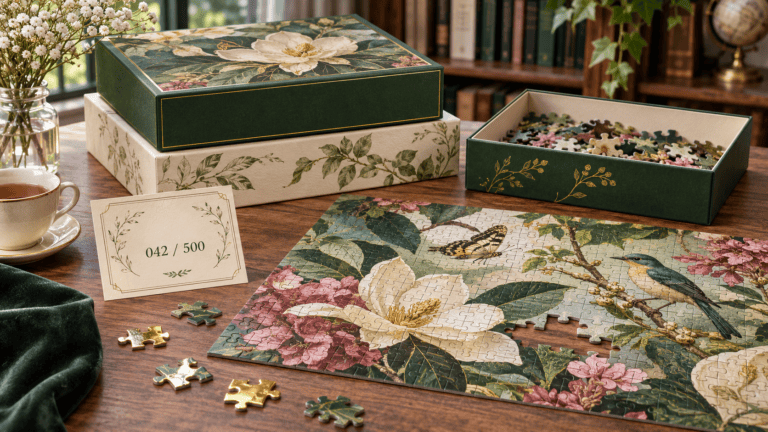
The puzzle is not just a logical exercise, it’s also deeply visual and creative.
Contemporary puzzles explore:
- Illustration of the
- the graphic
- the photograph
- abstract art
- design
The puzzle is then a way of interacting with a work, of discovering it gradually and of appropriating its aesthetics.
From Leisure to Practical Activity
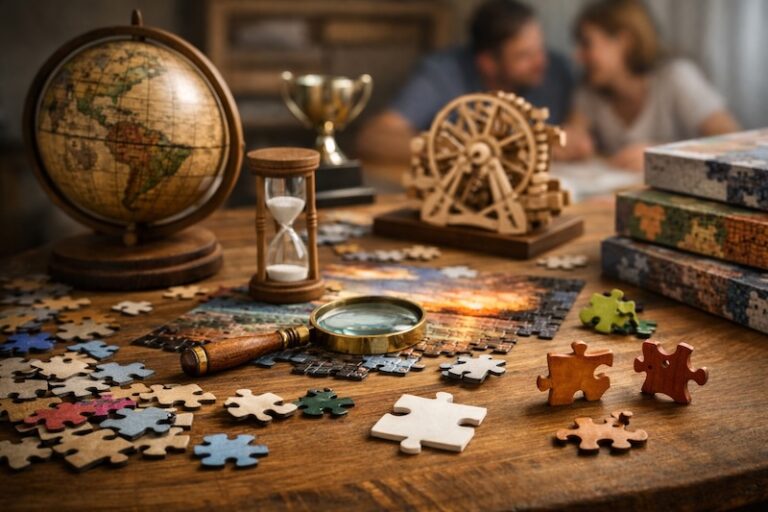
For some, the puzzle is more than just a hobby.
Today we see:
- regular and structured practices
- dedicated clubs and associations
- national and international competitions
- personal challenges
This diversity of practices shows that the puzzle can become a activityI’m not sure if it’s a discipline in its own right.
The Puzzle as a Cultural and Social Link
Finally, the puzzle plays a social role that is often underestimated.
He creates:
- times to share
- intergenerational exchanges
- communities of passionate people
- A common language around image and challenge
Whether it is practiced alone or in groups, the puzzle is part of a collective culture, discrete but very real.
In summary
- ⁇ The puzzle promotes deep concentration
- ⁇ It provides active disconnection in a digital world
- ⁇ It stimulates creativity and visual sensitivity
- ⁇ It creates cultural and social links
- ⁇ It is an essential part of the modern world
Discuss this articleHave a question or an experience to share?